


See 20 photos

USD 1,900,000
Traditional Lebanese house for sale / 150 YEARS OLD IN GOOD CONDITION
Zouk Mikael, Keserouan
3 weeks agoHighlights
Property TypeVilla
OwnershipBy Company
Bedrooms5
Bathrooms2
Size (m²)600
FurnishedUnfurnished
Details
Payment methodCash
ConditionReady to move in
Property Age10+ years
Reference IdND600ZM
Seller TypeAgency
Description
DESCRIPTION FROM THE OWNER WHO LIVED IN THIS UNIQUE HOUSE
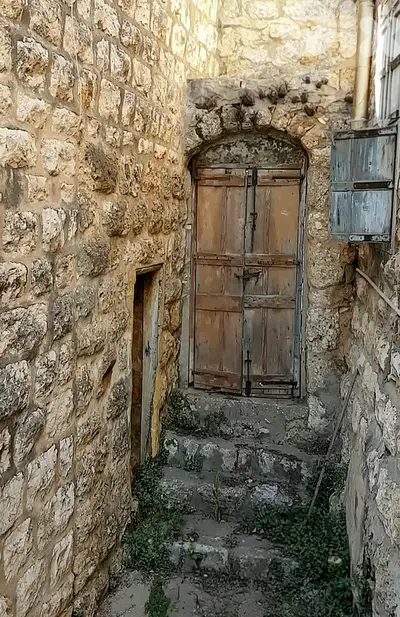
My family’s 150-year-old house is one of the rare Lebanese homes that has remained untouched by time. It still preserves the original features that give these houses their enduring character. The flagstone floors, worn smooth by generations of bare feet, speak of lives long lived within its walls. At the main entrances, massive hand-carved wooden doors still stand, fitted with forged steel knockers shaped like hands and balls that echoed through the house to announce visitors. Above, high painted ceilings still whisper of the gentler generations that came before us.
Like many traditional Lebanese houses, ours is a two-story, stone-built structure crowned with red-tiled roofs. At its heart lies the central hall, or Dar, which opens onto a three-arched façade overlooking the surrounding landscape. Inside, the painted ceilings rise above generous spaces, while blue wooden shutters frame the deep-set windows. Shaded courtyards and liwans — alcoves that invite both rest and conversation — complete the sense of openness and welcome. Function blends seamlessly with beauty: the lower floor shelters arched cellars where an olive press stood, while the upper floor has always been reserved for family life. Built from local stone and timber, the house was made to endure, and endure it has.
As I approach the house through the garden, I cannot help but run my hands across the stone walls. I am never indifferent to the effort it took to build them — walls that have stood for generations, weathering the seasons and the playful climbing of countless children. Life often spilled outdoors here, into the terraced garden where we picked almonds, oranges, and olives in their season.
Our large family would gather for long lunches in the dining room, built directly above the water well, which kept the room cool through the heat of summer. Before electricity reached the village, our garde-manger was the well beneath the house, where perishables were kept fresh, hanging in baskets above the water. Long before I was born, guests would wash their hands at the stone basin built into the wall, fed from a conical stone water holder above. Drinking water was kept in a large clay jar placed directly over the well’s access — a simple yet ingenious way to keep it cool.
The central bedroom seems to have been the first part of the house to be built. It is marked by a high stepped doorway and blue-painted window woodwork set deep into the stone walls. The adjoining bedroom still has its heavy wooden door, which locks with a massive steel key — a relic from another age. From there, a low step leads into a large square wash area, set slightly below the rest of the room, adding both character and practicality to the spacious chamber.
As I move from room to room, I am struck by the bare utilitarian functionality of the structure, interspersed with hand-carved ornamental details. The house reflects generations of my hardworking family, who understood the value of labor and resilience, yet who, from time to time, gave in to the desire to create beautiful features — expressions of their passion for life and their love of home.
Location
Zouk MikaelKeserouan
Listed by agency
ProArt REALTY
Member since Dec 2022See profileYour safety matters to us!
- Only meet in public / crowded places.
- Never go alone to meet a buyer / seller, always take someone with you.
- Check and inspect the product properly before purchasing it.
- Never pay anything in advance or transfer money before inspecting the product.